
Northridge, CA- The death toll in Madagascar has reached 102 stemming from a recent outbreak of the Pneumonic Plague.
There is nearly 1300 cases reported of the plague. Almost all are from the pneumonic plague. The aid group Action Against Hunger said the outbreak hasn’t reached it’s peak.

The Indian Ocean island has 114 districts and 35 have reported cases.
The plague is a contagious disease. Yersinia Pestis is the name of the bacteria that causes it. Two types of the plague exist — Bubonic and Pneumonic plague.
. The country has dealt with plague outbreaks in the recent decades. There have been about 400 reported cases each year.
Usually they are fighting cases of the bubonic plague. This type is spread through rats and insects.
The pneumonic plague is airborne and it can spread from human to human. Simply coughing and sneezing can infect others. This has caused the disease to spread more quickly than usual.
Usually the disease has avoids city areas. This year the plague spread to the two biggest cities in Madagascar, Antananarivo and Toamasina.
Madagascar has normally dealt with cases during the rainy season between November and March. This year there are reports the disease started as early as August.
The Bubonic Plague evolves into the pneumonic plague if it’s left untreated. The infection spreads from the lymph nodes to the lungs. When it is left untreated it almost always becomes fatal.
Madagascar is a third world country. In a developed country like the U.S. this epidemic would end before it started. Making an assumption
Many parts of Africa including Madagascar don’t have enough resources or medical assistance available to combat outbreaks. Antibiotics can prevent and cure the disease.
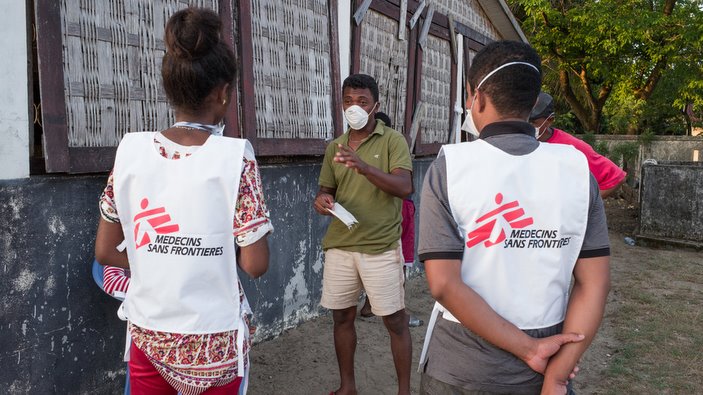
Organizations like the Red Cross and Doctors Without Borders are working to treat people in Madagascar. The World Health Organization has given over 1.2 million antibiotics in an effort to combat the epidemic.
“Our teams are working to ensure that everyone at risk has access to protection and treatment. The faster we move, the more lives we save,” said the WHO’s Madagascar representative, Charlotte Ndiaye.
By Monica Villacorta
Contributions by abc News, theguardian, CNN, BBC News
Video: africanews, Stop Over
Image: SBS Italian
EDUCATE YOURSELF
Theguardian, CNN, abc News, New York Post, History World, Doctors Without Borders, Baystreet, BBC News, Touropia, tripadvisor

 Our Planet Our Insight